Thursday, June 28, 2012

New Research Linking Omega 3 Fish Oil to Protect Vision for Seniors

New research published in June issue of journal Investigative Ophthalmology & Visual Science indicates that supplementing with DHA (from omega-3 fatty acids) helps preserve vision in seniors. As one ages, toxins can build up in the retina that causes vision loss. This study showed that with the increase in DHA, there was no increase at all in the toxins. This is the first study to demonstrate this specific result.
The findings were published in the journal Investigative Ophthalmology & Visual Science.
Investigative Ophthalmology & Visual Science (IOVS), published as ready online, is a peer-reviewed academic journal of the Association for Research in Vision and Ophthalmology (ARVO). IOVS features original research, mostly pertaining to clinical and laboratory ophthalmology and vision research in general.


IOVS is regarded as a premier basic science journal for the field of ophthalmology and is among the highest ranked by impact factor.

TheraLife Recommendations:

This is one of a number of peer-reviewed research studies showing the importance of including omega-3 fatty acids in one's regular diet. We do not recommend consumption of commercial canola oil or vegetables oils as they may not be processed in a manner that protects the integrity of the oils.

TheraLife Omega 3 is molecularly distilled for purity, potency and effectiveness.  Learn more

It is highly recommended to be used in combination with TheraLife Eye and TheraLife Eye Autoimmune for maximum recovery from Chronic Dry Eye Syndrome and Autoimmune Dry Eyes such as Sjogren's Syndrome.


80% success for first time users!  Doctors Recommended!
Buy Now

Learn more:    Watch a video


Comprehensive Solution for Sjogrens, Rheumatoid Arthritis, Lupus and more!
Buy Now     Watch a video


Talk to a Doctor , Call toll free 1-877-917-1989
International (650) 949-6080
Email to: info@theralife.com
Connect with us at twitter       and       facebook

Friday, June 22, 2012

Eat Right to Improve Your Vision- Dry Eyes, Cataract, Macular Degeneration and More!

Eat Right to Improve Your Eye Health- Reduce Dry Eyes, Cataract, Macular Degeneration and more

April 17,...

Have you always wondered if your diet is related to your eye health, getting dry eyes, cataract, macular degeneration?  Now there is an answer!
No effective drug therapy currently exists to prevent cataracts from forming. However we do know that cigarette smoking, certain medications, eye injuries, sunlight, diabetes and obesity can increase the risk of cataracts. Now scientists are wondering if eating less meat might lower cataract risk.  And findings from the United Kingdom suggest that the answer may be yes — but it’s too soon to tell for sure.
Researchers analyzed information on diet and lifestyle provided between 1993 and 1999 by 27,600 adults age 40 and over. The participants’ medical records between 2008 and 2009 were reviewed and revealed that 1,484 people had developed cataracts since the start of the study. The research was reported in the Journal of Clinical Nutrition (Volume 93, page 1128).

Vegans were 40 percent less likely to develop a cataract than the heaviest meat eaters (people who consumed more than 3.5 oz. of meat per day), and vegetarians were 30 percent less likely. Fish eaters fared pretty well, too: their risk was 21 percent lower than that of the heaviest meat eaters.
These findings don’t prove that eating less meat can reduce the risk of cataracts — and other researchers have reached different conclusions. Confirmation of the results would need to come from a large, randomized, controlled trial.

By the same token, dry eyes are partly due to poor blood circulation, and macular degeneration (AMD) is believed to be caused by high lipids from cholesterol.  Therefore, reduce meat consumption will help prevent them also.

In the meantime, it has been proved that a diet that emphasizes vegetables over meat is heart healthy. If you eat a lot of meat and decide to reduce your consumption of it, you’re definitely helping your heart, and you could be helping your eyes, as well.

Learn how TheraLife can help:


TheraLife Eye – relief chronic dry eyes with sustainable lasting results naturally.

Visit Our Store

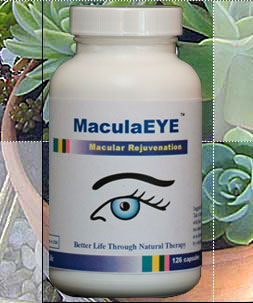
TheraLife MaculaEyeTheraLife MaculaEye to -prevent and preserve vision!
Visit our Store
Call toll free 1-877-917-1989 or (650) 949-6080
Follow us on
twitter
Facebook
Video

Friday, June 8, 2012

Oxidative Stress, Inflamation and Dry Eye Syndrome

We have long suspected that stress at work can create chronic dry eyes.

Finally a body of scientific evidence that links stress and chronic dry eye syndrome.
Here is an abstract from an article published in Cornea: October 2009 - Volume 28 - Issue 11 - pp S70-S74
There is a growing body of evidence to suggest that oxidative stress may be involved in at least the propagation of cellular injury that leads to eye pathology in various conditions including conjunctivochalasis, dry eye disease, age-related macular degeneration, and UV light-induced and tobacco smoke-induced ocular surface epithelial damage. Oxidative stress is biologically relevant in vivo and intimately linked with an integrated series of cellular events. Interaction between these various components is not necessarily a cascade but might be a cycle of events, of which oxidative stress is a major component. Inhibition of oxidative stress therapeutically might act to break the cycle of cell death. The creation of numerous cell and animal models that selectively target the effects of oxidative stress and inflammation to the specifically affected eye region in these diseases has greatly advanced our understanding of the involvement of oxidative stress in eye disease.

How can TheraLife Help?
Visit Our Store: TheraLife Fatigue
Unable to concentrate and focus?  Use TheraLife Fatigue to deliver more oxygen to your brain, promote healthy sleep.  No caffeine, stimulants, all natural and effective.
TheraLife Eye to restore tear secretion glands and deliver balanced sustainable tears all day long.


Visit us at:
See Video on TheraLife Eye click here

Thursday, May 17, 2012

Smartphones Can Cause Chronic Dry Eyes

Smartphones Can Cause Chronic Dry Eyes

Smartphones can cause chronic dry eyes
Eye Doctors are starting to see more patients with eye problems.

The reason, Smartphones.  Dr. Peter Bouvier, of the Papale and Bouvier Eye Center in Springfield told 22News, he doesn’t believe Smartphones will lead to permanent damage, but using your Smartphone can increase symptoms of dry eye.  If you suffer from allergies or are a little older, you will be more prone to these symptoms. 

Although teenagers should be careful, because the more you use your Smartphone, the more chronic this dry eye problem can become.

“Teenagers have a tendency to spend more time on this stuff.  We’re starting to see symptoms and complaints occurring in younger individuals probably because of the sheer amount of time they spend on it”, says Dr. Bouvier.

Dr. Bouvier said "To avoid these symptoms to remember to take breaks and use tear drops if your eyes start to get dry"

It is similar to eye problems caused by staring at a computer for too long- Computer Vision Syndrome.

To learn more about Computer Vision Syndrome- visit one of our older blogs


Doctors Recommended! 80% Success for First Time Users.
All Natural, Safe and Effective!

Visit Our Store


Follow us at:
twitter
Facebook

Thursday, April 12, 2012

Menopause and Dry Eyes-Homrone Changes, Inflammation and More!

 
 Hormonal changes and dry eyes


Hormone Recetors found on on Cornea-

The degree to which your hormones affect your eye health depends largely on your individual blueprint and lifestyle. However, studies have linked androgen (testosterone) and estrogen receptors on the cornea of the eye and on the meibomian gland. This indicates a correlation between the production of tears and our sex hormones.

Dry Eye and “Inflammation”.

When your eyes stay dry for too long, the result is localized inflammation. This immune response releases all kinds of inflammatory substances which make your eyes red, itchy, and swollen. The appearance of dry eyes often coincides with other signs of “drying” in menopause, like sore joints and dry vaginal tissues. Restoring a natural internal balance between estrogen, progesterone and testosterone is an important remedy for dry eyes. Though this is something we rarely hear about in a conventional eye doctor’s office, or other imbalances that may be contributing to the condition..
symptoms of dry eye can be an important warning sign that your body’s detox capabilities are on overload. And what happens when you aren’t detoxifying efficiently?. While no clinically controlled study as of yet has linked the localized inflammation of dry eye to systemic low-grade inflammation
Moreover, the inflammation connection is being supported by the growing trend among conventional eye doctors to add omega-3 supplements or fish oil to their standard dry eye treatment protocol. A recent study reported that women with a diet rich in omega-3 fatty acids reduced their risk of dry eye by 20% compared to women with low levels of omega–3.

Omega 3 Fish Oil and Inflammation-

Increasing your intake of omega-3 fatty acids( Fish Oil) in supplements or by eating fish like mackerel, tuna, or wild salmon or certain nuts and seeds — does several things that benefit the eye by benefiting your entire body. For one, they have been shown to naturally moderate inflammation. They also aid in the stimulation of tear secretion and increase the oils in that secretion. Additionally, they may moderate excess estrogen production. And all of these benefits get at the root of dry eyes by providing natural lubrication rather than temporary “artificial” relief.

Conventional dry eye treatments and “artificial tears

The most common conventional treatment for dry eye is drops or “artificial tears” that temporarily relieve symptoms by restoring fluid to the eye. These drops can be invaluable in the short term for many people with dry eyes by making it comfortable to blink. The unfortunate side of drops, though, is that they offer only temporary relief of dry eye symptoms, not a systemic response that helps prevent recurrences.

If your symptoms of dry eye are really bothering you, it’s worth finding some soothing drops to use while you pursue other long-term approaches that may take more time to kick in. The ingredients and viscosity of drops vary a lot, so you may need to try a few; be sure to ask your practitioner for samples. When buying, remember that preservatives irritate some eyes, and drops designed to “get the red out” are not designed for dry eyes.

Using drops is like pouring water into a dry well instead of looking for a new spring — to find permanent relief.  Theralife Can Help- See Below

Relief for dry eyes:  Nutrition and Restore Hormone Balance

Every body is unique so you may need to experiment to find a combination of changes that work for you.  Supplemental essential fatty acids, in addition to a highly nutritious diet, are helpful for women of all ages with dry eyes.

A. Optimize your nutrition. Eat three balanced meals a day, consisting of:
1.   whole foods
2.    daily multivitamin.
3.  Omega 3 fatty acid  - be sure it is free of Mercury and PCB contamination- e.g TheraLife Omega 3 Fish Oil
4.   Vit E- which helps Omega 3 functionality

B. Balance your hormones.

Gentle endocrine support can help the body generate its natural levels of estrogen, progesterone and testosterone. You may also notices that some simple dietary changes, like eating more whole grains and less sugar and processed foods can help control insulin levels and reduce chronic inflammation.

C.  Evaluate your medications. If you are on medication, speak with your doctor about the possibility of it contributing to your dry eyes. There may be alternatives that cause fewer side effects.

D.  Avoid excessive pollution and other irritants. – Quit Smoking
Here’s another great reason to quit smoking: smoke aggravates dry eyes. Also, try to avoid rubbing your eyes since it can disturb tear film, remove moisture, and introduce bacteria or irritants into the eye. Try to buy hypoallergenic make-up as well.

E.  Hydrate and humidify.  6-8 glasses of water or fluids per day. Use Humidifier
Dehydration can draw fluid from the eyes, so remember to drink plenty of fluids. Non-diuretic drinks like water, pure juices, milk and herbal teas are good choices for hydration. You may also try using a humidifier to reduce tear evaporation, but be sure to clean it daily with soap to avoid introducing more irritants into the air.

F.  Blink!

Try to blink at least every five seconds or so, particularly when looking at your computer screen. It may also be helpful to lower your computer monitor a bit so your eyelids cover more of your eyeballs while you look at it.

G.  Practice care with contact lenses.

Contacts can sap the eye’s fluid and collect proteins, irritating eyes further with roughness and an environment conducive to growing bacteria. Keep lenses very clean, consider wearing them less, or explore lenses designed for dry eyes. Not all drops can be used with contacts, so check the labels. TheraTears makes a product specifically designed for contact wearers with dry eyes.

H.  Get more sleep!

Last but definitely not least: enjoy the anti-inflammatory benefits of regular sleep! Beyond giving your eyes a chance to rest and refresh, good quality sleep reduces stress that can contribute to hormonal imbalances. Our bodies detoxify and attend to much needed cellular repair while we sleep, which helps soothe inflammation in all systems.

To learn more about menopause dry eyes: click here and video

 
TheraLife Eye- Restore Normal Cell Functions to Tear Secretion Glands Intra-cellularly. 


Visit Our Store

Doctor's Recommended
80% success first time users.
TheraLife Eye+ Menopausal Support + Omega 3 Fish Oil

Why TheraLife Menopausal Support?
TheraLife Menopausal Support is all natural. Key ingredient- Soy Isoflavon is a hormone like substance proven to relief menopause symptoms.


Follow us at:
twitter
facebook